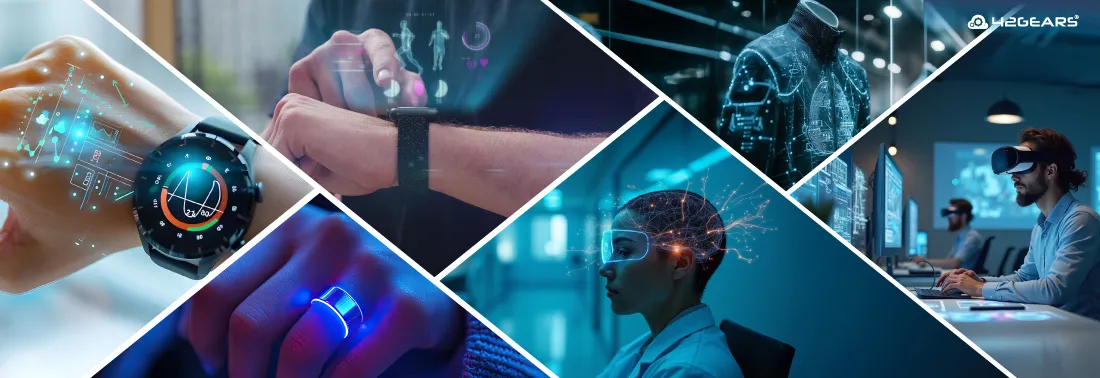
Wearable smart devices, more commonly known as wearable devices, have evolved from a niche consumer gadget category into a mainstream phenomenon over the last decade. While smartwatches like the Apple Watch remain the most recognizable wearables, the landscape has expanded dramatically. Today's wearable technology ranges from sophisticated head-mounted displays (HMDs) creating new digital realities to smart rings and clothing that seamlessly integrate into our lives.
These wearable devices not only perform many basic computing functions but also offer profound health-tracking services—like SpO2 monitoring, sleep stage analysis, and even ECGs—thanks to their constant contact with the user’s body.
As we move through 2025, enterprises are seeing wearables become an integral part of the workplace ecosystem. This necessitates a forward-thinking strategy to leverage these technologies for a more productive, healthy, and connected workforce.
Read on for our updated list of six key types of wearable technology, highlighting their business, personal, and health applications in the modern workplace.
1. Smartwatches
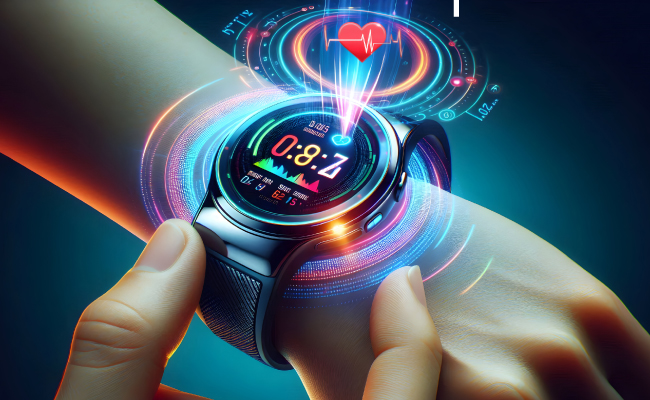
Smartwatches are the undisputed leaders of the wearable market. Far more than just smartphone companions for reading messages, today's devices are powerful health and wellness hubs. The latest models, such as the Apple Watch Series 10 and Apple Watch Ultra 2, offer advanced health sensors for blood oxygen levels, body temperature sensing for cycle tracking, fall and crash detection, and FDA-cleared electrocardiogram (ECG) capabilities.
On the Android side, Samsung's Galaxy Watch series and Google's Pixel Watch provide deep integration with their respective ecosystems, powered by Wear OS and packed with health features from Fitbit's DNA.
- Leading the Charge: Apple, Huawei, Xiaomi, Samsung, Google (Fitbit).
- Why you need to know about them: Smartwatches are powerful tools for productivity and employee wellness programs. However, they also present challenges in data security and network management. As they run on their own sophisticated operating systems and handle sensitive personal health data, businesses need a clear strategy for managing these devices, ensuring both employee privacy and corporate security.
2. Smart Jewelry (Especially Smart Rings)
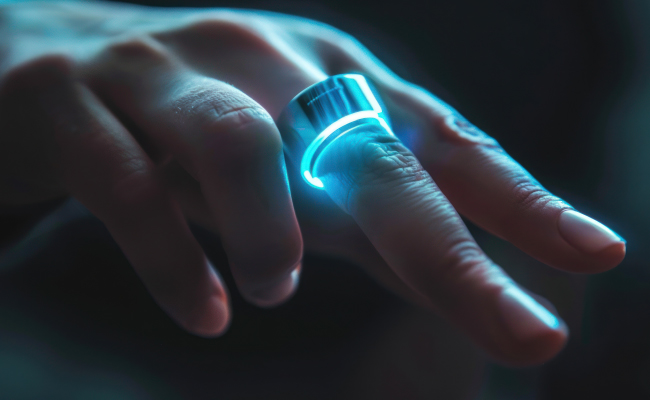
Smart jewelry represents the trend towards more discreet, ambient wearables. The most prominent player in this category is the smart ring. Popularized by brands like Oura, smart rings are worn on the finger and excel at collecting high-fidelity health data—particularly for sleep and recovery—without the distraction of a screen. The big news for 2025 is the entry of major tech players, most notably with the launch of the Samsung Galaxy Ring. This validates the form factor and signals a new wave of competition and innovation. Other brands like Ultrahuman are also pushing the boundaries of what these tiny devices can track.
- Leading the Charge: Oura, Samsung, Ultrahuman.
- Why you need to know about them: Compared to a smartwatch, smart rings offer a less intrusive way to monitor health. They are perfect for corporate wellness initiatives focused on reducing stress and improving sleep hygiene, as they provide valuable insights without contributing to notification fatigue. Companies may find subsidizing smart rings an effective way to promote a healthy work-life balance.
3. Fitness Trackers
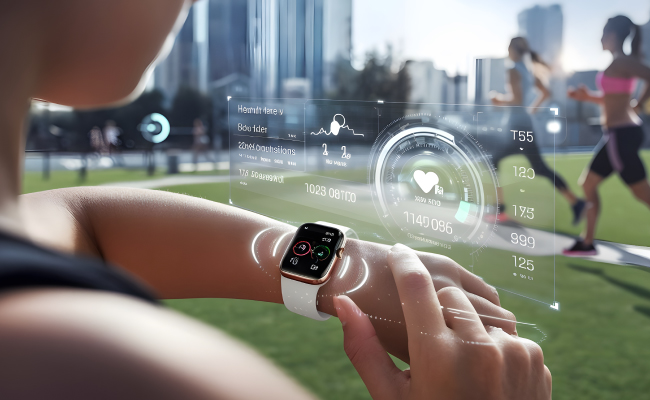
The line between fitness trackers and smartwatches has become increasingly blurred, but dedicated trackers still hold a key place in the market. They are the successors to simple pedometers, monitoring steps, heart rate, calories burned, sleep quality, and a host of other fitness metrics. Products like the Fitbit Charge series offer many smartwatch-like features (e.g., notifications, mobile payments) in a slimmer, more affordable package with longer battery life. For more serious athletes and outdoor enthusiasts, brands like Garmin offer rugged devices with advanced GPS and performance analytics. Another key player, Whoop, uses a subscription model focused entirely on recovery, strain, and sleep, providing deep physiological insights.
- Leading the Charge: Google(Fitbit), Garmin, Whoop.
- Why you need to know about them: Fitness trackers are a gateway for many employees into the world of wearables. While less distracting than full-blown smartwatches, the health data they collect is valuable and private. Businesses should consider how this data can be voluntarily and anonymously integrated into wellness platforms while upholding stringent privacy standards.
Personally, I've been loving the Whoop strap. It has completely changed how I think about my health and performance. The top features for me are:
- The Recovery Score: Instead of just telling me how I slept, it synthesizes my heart rate variability (HRV), resting heart rate, and sleep performance into a single, actionable score that dictates how hard I should train that day.
- Actionable Sleep Insights: It doesn't just track sleep; it tells me exactly when I need to go to bed to perform optimally the next day based on my accumulated strain and sleep debt. It's a game-changer.
4. Smart Clothing
By making contact with a larger area of the body, smart clothing can provide biometric data with greater accuracy and context than wrist-worn wearable devices. This sector is rapidly advancing beyond concepts to practical applications in medicine and professional sports.
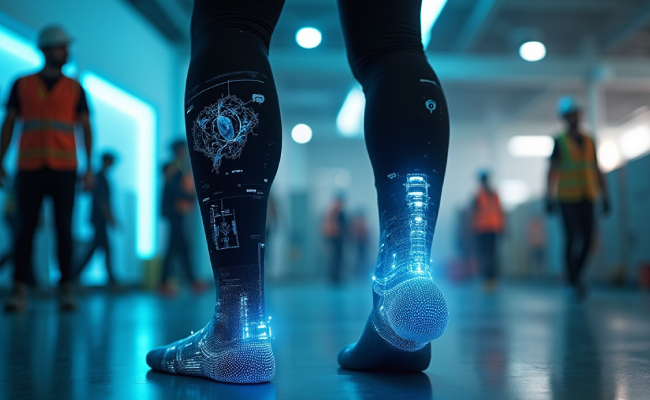
We're seeing smart shirts that can monitor respiratory rates and cardiac activity, smart socks like those from Siren that can detect developing foot ulcers in diabetic patients, and compression wear that analyzes muscle exertion for athletes.
In industrial settings, smart vests and helmets are being deployed to monitor worker vitals, detect falls, and ensure safety in hazardous environments.
- Leading the Charge: This sector is more specialized, with companies like Hexoskin, Sensoria, and major R&D from tech giants like Samsung and Apple.
- Why you need to know about them: As smart clothing becomes more common, businesses will need to update policies beyond traditional dress codes. This includes addressing data privacy (like who owns the data from a company-issued smart vest?) and ensuring employee comfort and consent, especially when health and safety monitoring are involved.
5. Implantables
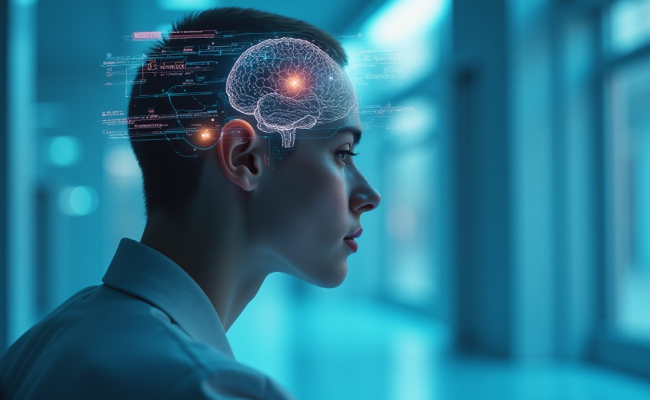
Implantables represent the ultimate frontier of wearable devices, residing inside the body rather than on the skin. While still largely in nascent or experimental stages, the progress is undeniable. The conversation has moved from now-defunct concepts like the Proteus sensor pills to groundbreaking work by companies like Neuralink, which is developing brain-computer interfaces. On a more practical and accessible level, NFC/RFID chips implanted in the hand are being used by bio-hackers for contactless payments, unlocking doors, and storing digital information.
- Leading the Charge: Neuralink (for long-term vision), Walletmor (for current NFC implants).
- Why you need to know about them: The implications of implantables are profound. For workplaces, especially those with sensitive equipment (e.g., strong magnetic fields), safety policies will need to evolve. Furthermore, implantables raise complex ethical and security questions that businesses must begin to consider as this technology inches closer to the mainstream.
6. Head-Mounted Displays (HMDs) & Spatial Computing
Head-mounted displays are no longer just for gaming; they are powerful tools for enterprise and productivity, ushering in the era of "spatial computing." These devices overlay digital information onto the user's field of view or immerse them completely in a virtual reality (VR) environment.
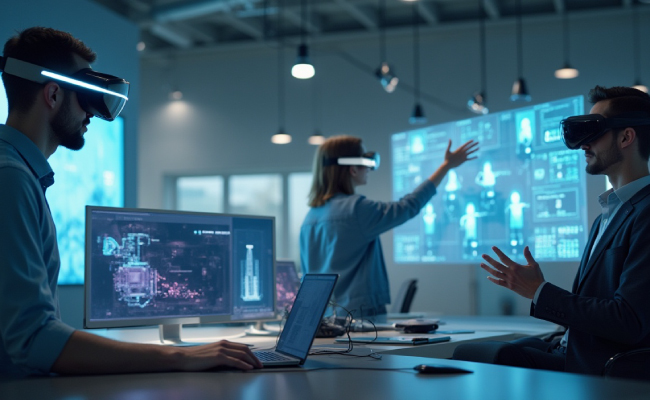
The launch of the Apple Vision Pro has redefined the premium end of the market, offering a seamless blend of the digital and physical worlds for productivity, communication, and entertainment.
Meanwhile, Meta continues to lead the consumer market with its accessible and powerful Quest 3 headset, which is also making significant inroads in enterprise training and collaboration. For specialized industrial applications, devices like Microsoft's HoloLens 2 remain critical for remote assistance, complex assembly, and design visualization.
- Leading the Charge: Apple, Meta, Microsoft.
- Why you need to know about them: AR and VR are transforming employee training, remote collaboration, and data visualization. Businesses using HMDs must establish clear guidelines for use to maximize productivity while managing potential distractions. Securing these devices, which handle vast amounts of proprietary data and have powerful cameras and sensors, is a critical IT challenge.
Conclusion: Managing the Wearable Future
As we look across the landscape of wearable devices in 2025, the trend is clear: these devices are becoming more powerful, more personal, and more integrated into our daily lives. Going forward, companies must develop a cohesive strategy to incorporate these devices into their networks smoothly. The challenge is to embrace the benefits—such as improved employee wellness and productivity—while mitigating the risks of distraction and data breaches.
To manage this diverse and growing ecosystem, a robust unified endpoint management (UEM) solution is essential. SureMDM by 42Gears allows IT admins to monitor and manage all endpoints—from smartwatches to smartphones and laptops—all from a single console.
- Source: scoop.market.us