The Untapped Potential: Boosting ROI by Managing Distributed Linux Devices with MDM
Mar 12, 2026 | Upasna Kesarwani
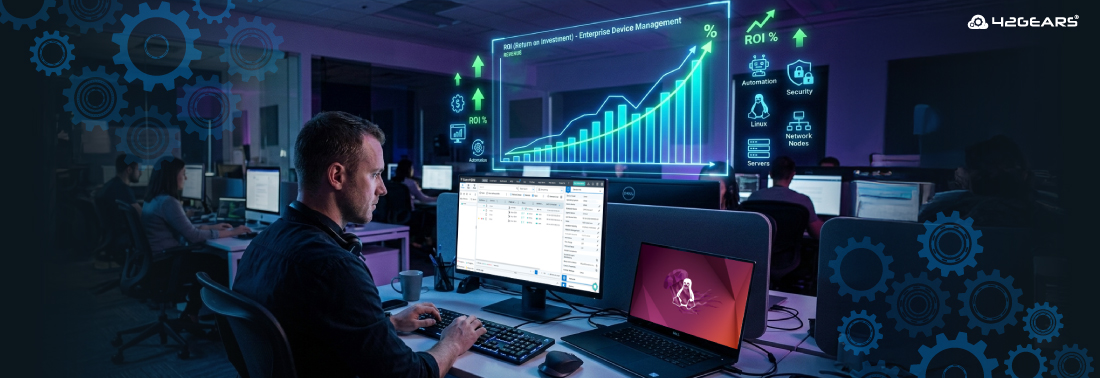
Linux is everywhere. From embedded systems and IoT devices to vast server farms and developer workstations, its open-source flexibility and robust performance make it a cornerstone of modern technology. But as Linux deployments grow, especially across geographically dispersed locations, managing these devices can quickly become a complex, resource-intensive challenge. This is where Mobile Device Management (MDM) solutions, traditionally associated with mobile phones and tablets, are emerging as a powerful tool for significantly enhancing the Return on Investment (ROI) of your Linux infrastructure.
The truth is, unmanaged or poorly managed distributed Linux devices lead to a drain on resources that directly impacts your bottom line. Let's delve into how a dedicated MDM solution can turn this around, offering tangible ROI benefits.
The Hidden Costs of Unmanaged Linux
Before we talk about solutions, let's understand the problem. The costs of not having a unified management strategy for your Linux fleet can be substantial:
- Increased IT Labor Costs: Manually updating software, troubleshooting issues, and configuring devices one by one is incredibly time-consuming. Imagine technicians driving to remote kiosks or spending hours individually logging into servers.
- Security Vulnerabilities & Breaches: Outdated security patches, misconfigurations, and a lack of consistent policy enforcement create gaping holes for cyber threats. A single breach can cost millions, not just in direct damages but also in reputational harm and regulatory fines. According to IBM's 2025 Cost of a Data Breach Report, the average cost of a data breach reached $4.4 million USD.
- Downtime and Lost Productivity: A malfunctioning device in a critical operation – whether it's a point-of-sale system, a manufacturing robot, or a digital sign – means lost revenue and frustrated customers.
- Compliance Risks: Many industries require stringent auditing and reporting on device configurations and security postures. Manual processes make this difficult, time-consuming, and prone to errors, risking hefty penalties.
- Inefficient Resource Utilization: Without clear visibility, it's hard to optimize device performance, identify underutilized assets, or proactively address issues before they escalate.
How MDM Transforms Linux Management and Drives ROI
An MDM solution tailored for Linux devices addresses these challenges head-on, delivering measurable improvements:
- Streamlined Deployment and Provisioning: Imagine deploying hundreds of new Linux devices with consistent configurations in minutes, not days. MDM allows for zero-touch enrollment and automated provisioning, drastically reducing setup time and ensuring uniformity. This translates directly into faster time-to-value for new deployments.
- Automated Patching and Software Updates: This is perhaps one of the biggest ROI drivers. MDM enables scheduled, remote, and automated updates of the operating system, applications, and security patches across your entire fleet. This eliminates manual effort, minimizes downtime, and crucially, ensures your devices are always secure.
- Enhanced Security Posture: MDM provides centralized control over security policies. You can enforce strong password policies, configure firewalls, manage user access, remotely wipe or lock compromised devices, and ensure compliance with corporate security standards. This proactive approach significantly reduces the risk and potential cost of a data breach.
- Proactive Monitoring and Troubleshooting: Gain real-time visibility into the health, status, and location of your Linux devices. MDM dashboards provide critical insights, allowing IT teams to identify issues like low disk space, high CPU usage, or network connectivity problems before they impact operations. Remote troubleshooting capabilities further reduce the need for on-site visits, saving significant travel and labor costs.
- Simplified Compliance and Auditing: With a centralized record of device configurations, software versions, and security policies, MDM makes demonstrating compliance a breeze. Generate audit reports quickly and accurately, reducing the stress and potential penalties associated with regulatory requirements.
The Tangible ROI
The cumulative effect of these benefits is a significant improvement in your operational efficiency and a strong positive ROI:
- Reduced IT Operational Costs: Less manual intervention means fewer staff hours spent on routine tasks, allowing your IT team to focus on strategic initiatives.
- Improved Security and Reduced Risk: Lower probability of costly data breaches and compliance fines.
- Increased Device Uptime and Productivity: Proactive management minimizes disruptions, ensuring business continuity and maximizing the output of your Linux-powered operations.
- Faster Deployment Cycles: Quicker rollout of new devices and services, accelerating business growth.
Conclusion
Managing Linux devices should not be an afterthought. Embracing an MDM solution designed for Linux isn't just about making IT's life easier; it's a strategic investment that directly impacts your organization's financial health. By automating mundane tasks, strengthening security, and providing unparalleled visibility, MDM empowers businesses to unlock the full potential of their Linux infrastructure and realize substantial, measurable returns on their investment. Solutions like 42Gears offer comprehensive tools to bring this vision to reality, ensuring your Linux fleet is secure, efficient, and always performing at its best, no matter where it's deployed.
FAQs
Why is managing distributed Linux devices important for improving operational ROI?
Managing distributed Linux devices centrally helps organizations reduce downtime, minimize manual IT effort, and improve device performance. With a unified management approach, IT teams can deploy updates, monitor device health, and resolve issues remotely—ultimately lowering operational costs and maximizing the return on device investments.
What challenges do enterprises face when managing Linux devices across multiple locations?
Organizations often struggle with limited visibility, inconsistent configurations, delayed software updates, and heavy reliance on manual SSH-based management. These challenges increase the risk of security vulnerabilities, operational disruptions, and higher maintenance costs when devices are deployed across warehouses, retail stores, factories, or remote sites.
How does an MDM solution help maximize the value of distributed Linux deployments?
An enterprise-grade MDM platform enables centralized device monitoring, remote troubleshooting, policy enforcement, application deployment, and patch management. By automating routine management tasks and ensuring consistent device configurations, organizations can improve uptime, strengthen security, and significantly increase the ROI of their Linux device ecosystem.
Turn your Linux infrastructure
into a high-ROI asset.
Subscribe for our free newsletter

Exclusive News and Updates on Enterprise Mobility!