Why Modern Teams Need a Mobile Device Farm for Real-Device Testing
Ene 22, 2026 | Aishwarya P
Last Updated: Mar 02, 2026

Synopsis
Modern mobile apps must perform flawlessly across countless devices, OS versions, and real-world conditions. As Android fragmentation grows and iOS updates accelerate, traditional in-office testing can no longer keep up. This blog explains why modern engineering teams are turning to mobile device farms for real-device testing, explores public vs private device farms, and shows how private device farms are becoming the new standard for scalable, reliable mobile QA.
Building a successful mobile app today requires more than clean code. It demands rigorous mobile app testing and real-device testing across multiple device models, OS versions, OEM skins, network conditions, screen sizes, and real-world usage scenarios. With global Android fragmentation and constantly updating iOS releases, the testing surface keeps expanding.
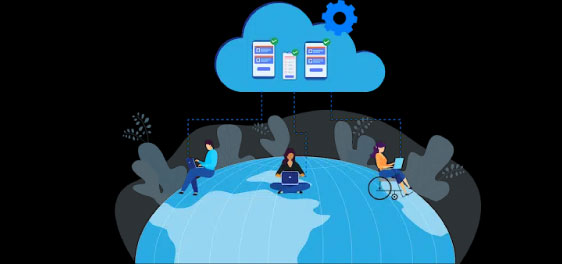
This is why forward-thinking engineering teams increasingly rely on a mobile device farm–a cloud-connected pool of real devices that developers and QA engineers can access anytime for cloud-based testing and remote device testing.
Why Mobile App Testing Matters
Users interact with apps on devices that differ vastly in hardware performance, OS behavior, manufacturer customizations, and firmware. Performing comprehensive mobile QA reduces costs by catching issues before launch, meets high user expectations, and ensures data security and compliance. It is a strategic investment, not just a technical step.
For instance, Android is not a single ecosystem. Xiaomi MIUI, Samsung One UI, Oppo ColorOS, and Google Pixel UI all behave differently. Similarly, iOS updates can introduce changes that affect app behavior across iPhones and iPads. Only real-device testing can reliably reveal these variations.
Why In-Person Device Testing Fails
The traditional approach of buying devices and sharing them in-office is increasingly unfeasible:
- High Ownership Cost
Buying dozens or hundreds of devices across OEMs is expensive and hard to maintain. Frequent new model releases make manual procurement unsustainable. - Distributed Teams Cannot Share Devices
Hybrid and remote work make physical device access challenging. Shipping devices across offices creates delays, losses, and bottlenecks. Teams need a cloud-based testing infrastructure that scales. - Slower Releases and Higher Risk
Manual testing creates scheduling conflicts and idle time. QA teams wait for devices instead of testing continuously, increasing the risk of bugs slipping into production. - Limited Device Coverage
It is impossible to have every model, OS version, and configuration physically available in the office. This leaves gaps in testing and risks missing device-specific bugs. - Difficult to Track and Maintain Devices
Physically managing devices, tracking who has which device, updating OS versions, and resetting devices for consistent testing is cumbersome and error-prone, slowing down QA efficiency.
What Is a Mobile Device Farm?
A mobile device farm is a centralized, cloud-based environment of real devices that developers and QA engineers can access remotely. It allows teams to:
- Run functional and automated tests
- Debug apps remotely
- Validate UI across screen sizes
- Test edge cases and network variations
- Reproduce bugs quickly
Device farms come in two primary forms: Public and Private
Public vs Private Device Farms: Key Differences
Public Device Farm
These are third-party platforms that let teams access a shared pool of devices over the cloud. They are useful for quick checks, testing rare models, or when your team does not own many devices. However, mobile QA can be limited because devices are shared, testing time may be restricted, and you have less control over device settings. Recurring costs can also add up, and real-device testing may not always match your exact environment.
Private Device Farm
A private device farm uses devices that your organization owns and connects them to the cloud for remote device testing. Teams get full control over device settings, OS versions, and testing schedules, making mobile app testing faster and more reliable. It supports test automation, parallel testing, and global collaboration without worrying about device availability or rental fees. Over time, a private farm is more cost-effective and provides consistent cloud-based testing across Android and iOS devices, helping catch issues specific to Android fragmentation or iOS updates.
Read this to explore more on the key differences between a public and private device farm.
How Companies Choose Between Private and Public Device Farms
When deciding between a private device farm and a public device farm, companies usually consider three main factors: cost, control, and efficiency.
A private device farm is ideal if your organization already owns the devices needed for mobile app testing, because it allows secure remote device testing and cloud-based testing, provides full control over device settings, and supports test automation and continuous mobile QA workflows.
In contrast, public device farms often fall short: recurring rental costs can be high, device access may be limited due to sharing, there is less control over OS versions and settings, and testing efficiency can be constrained by session limits or device contention.
With AstroFarm, teams can enroll existing devices, add new ones as needed, and share devices across global teams. This reduces redundant hardware purchases, ensures consistent real-device testing across Android and iOS, and makes private farms often more cost-efficient and reliable than public alternatives.
Why a Private Device Farm Is Becoming the Industry Standard
Modern engineering workflows demand:
- Faster release cycles
- More automation
- Continuous testing
- DevOps-integrated pipelines
- Reduced mean time to resolution
- Global collaboration
A private device farm directly supports these goals. It removes bottlenecks, accelerates testing, and ensures real-world device connectivity without spiraling costs.
The Easiest Path to Private Device Farm Adoption
Adopting a private device farm does not have to be complex or disruptive. Teams can move away from manual, in-office device testing through a gradual, low-risk transition.
1. Start by pooling available devices
Most organizations already own a mix of QA, developer, and legacy devices. The first step is to make these devices centrally available instead of keeping them tied to individuals or locations.
2. Make devices remotely accessible through the cloud
Devices are then connected to a secure cloud service like AstroFarm, allowing teams to access them remotely. This removes the need for physical sharing, enables parallel testing, and supports distributed teams without changing existing workflows.
3. Layer in automation and governance
Once the device pool is established, teams can integrate automated test pipelines, define role-based access, and standardize device resets and session control to ensure consistent test environments.
4. Expand and scale over time
As testing needs grow, new devices can be added incrementally. Your device farm grows naturally with product complexity and user reach.
How AstroFarm enables frictionless adoption
AstroFarm by 42Gears provides the cloud layer that turns a collection of physical devices into a private device farm. It handles secure device access, remote device control and management, automation integration, and remote troubleshooting, without requiring teams to build or maintain custom infrastructure. Organizations retain full ownership and control of their devices while eliminating operational overhead.
With this phased approach, teams can adopt private device farms at their own pace, reduce testing delays, control costs, and deliver reliable user experiences across devices and operating systems.
Ready to Streamline Your Mobile Testing?
Try AstroFarm.
Subscribe for our free newsletter

Exclusive News and Updates on Enterprise Mobility!